GABA Receptor
Gamma-aminobutyric acid Receptor; γ-Aminobutyric acid Receptor
GABA receptors are a class of receptors that respond to the neurotransmitter gamma-aminobutyric acid (GABA), the chief inhibitory neurotransmitter in the vertebrate central nervous system. There are two classes of GABA receptors: GABAA and GABAB. GABAA receptors are ligand-gated ion channels (also known as ionotropic receptors), whereas GABAB receptors are G protein-coupled receptors (also known asmetabotropic receptors). It has long been recognized that the fast response of neurons to GABA that is blocked by bicuculline and picrotoxin is due to direct activation of an anion channel. This channel was subsequently termed the GABAA receptor. Fast-responding GABA receptors are members of family of Cys-loop ligand-gated ion channels. A slow response to GABA is mediated by GABAB receptors, originally defined on the basis of pharmacological properties.
All Product Categories
-
GABA Receptor Inhibitors
(152)
View all products
-
GABA Receptor Agonists
(189)
View all products
-
GABA Receptor Antagonists
(138)
View all products
-
GABA Receptor Activators
(69)
View all products
-
GABA Receptor Modulators
(93)
View all products
-
GABA Receptor Controls
(4)
View all products
-
GABA Receptor Ligands
(16)
View all products
-
GABA Receptor Related Products (779)
Related Products (779)

-
Antibodies (14)
-
Related Compound Screening Libraries (1)
-
(2S)-6-Prenylnaringenin
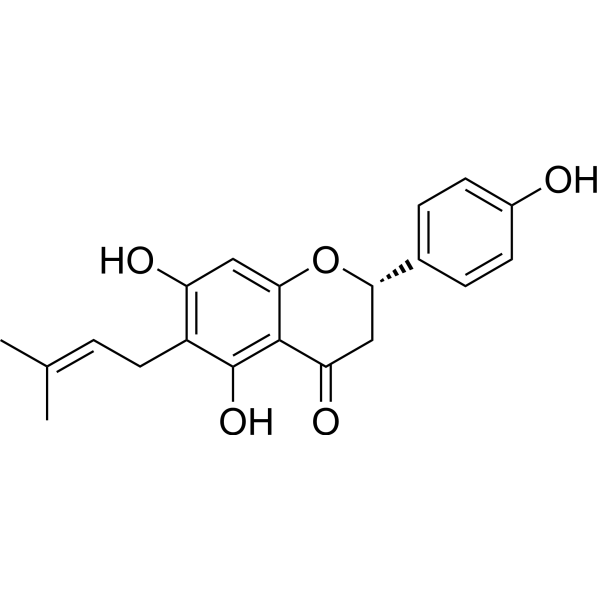 0 Images(2S)-6-Prenylnaringenin is the most efficient compound in forebrain. (2S)-6-Prenylnaringenin acts as a GABAA positive allosteric modulator at α+β- binding interface.
-
SKF89976A hydrochloride
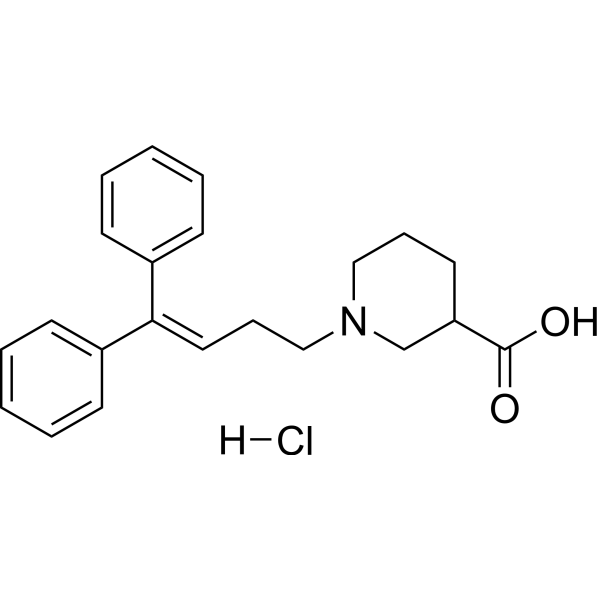 0 ImagesSynonyms: d,l-SKF89976A hydrochlorideSKF89976A hydrochloride is a selective GABA transporter (GAT-1) inhibitor with IC50s of 0.28 μM, 137.34 μM and 202.8 μM for GAT-1, GAT-2 and GAT-3 in CHO cells, respectively.
-
Rilmazafone hydrochloride
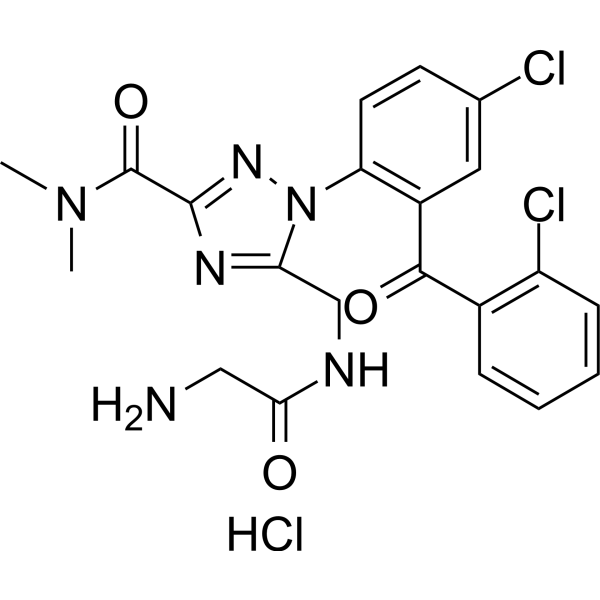 0 ImagesSynonyms: 450191SRilmazafone hydrochloride (450191S) is a benzodiazepine (omega) ligand.
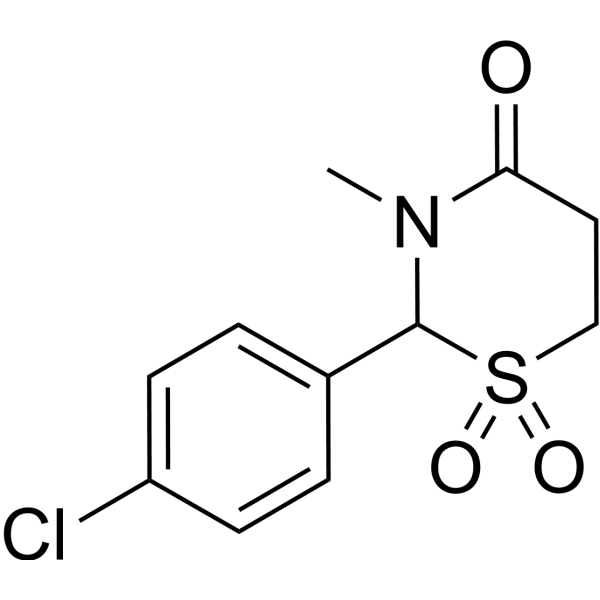
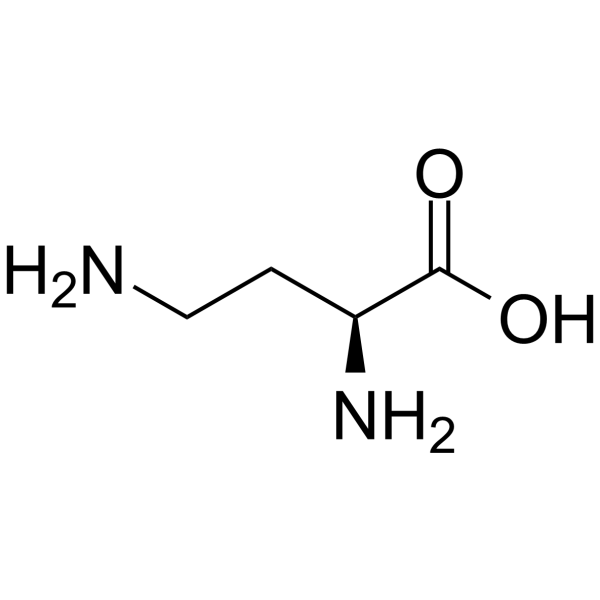
-
L-838417-d9
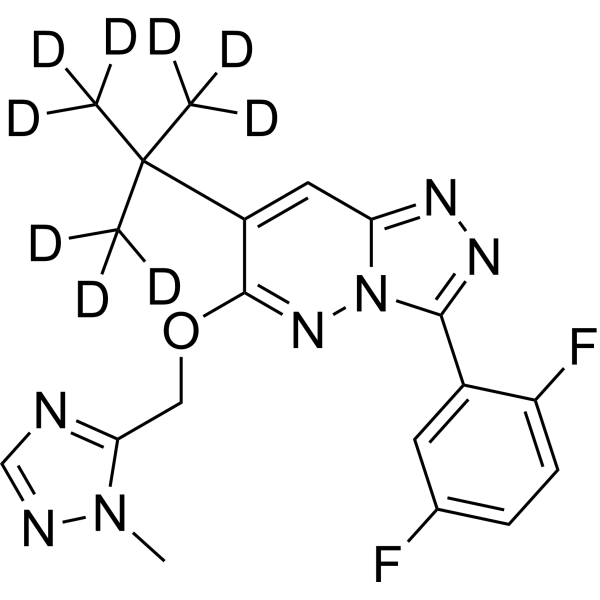 0 ImagesL-838417-d9 is the deuterium labeled L-838417 (HY-W009009). L-838417 is a selective partial agonist at the α2, α3 and α5 subtypes of the GABAA receptor and an antagonist at the α1, with binding Ki values of 0.79 nM, 0.67 nM, 1.67 nM, 267 nM, 2.25 nM and 2183 nM for α1β3γ2, α2β3γ2, α3β3γ2, α4β3γ2, α5β3γ2 and α6β3γ2. L-838417 has anti-anxiety activity.
-
Homocarnosine TFA
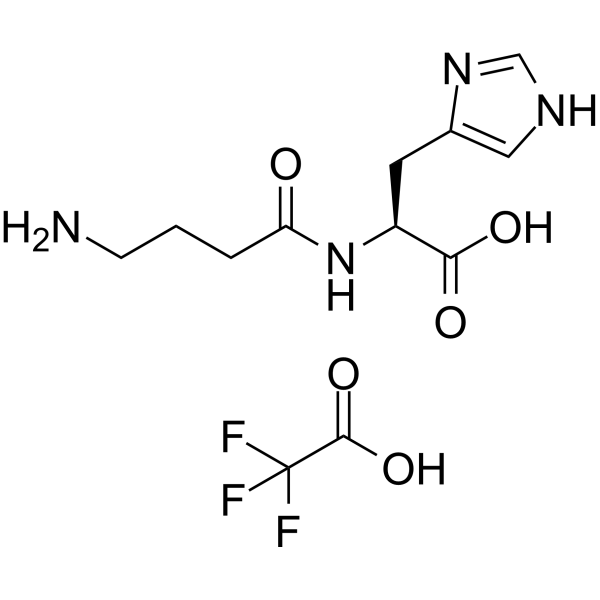 0 ImagesCat. No.: HY-114883ACAS No.: 2991254-59-0Synonyms: L-Homocarnosine TFAHomocarnosine TFA is a dipeptide of γ-aminobutyric acid (GABA) and histidine unique to brain. Homocarnosine TFA is an inhibitory neuromodulator synthesized in the neuron from GABA and exhibiting anticonvulsant effects. Homocarnosine TFA has antioxidant and anti-inflammatory actions, prevention of DNA damage, and inhibition of advanced glycation end-product formation.
-
Selank diacetate
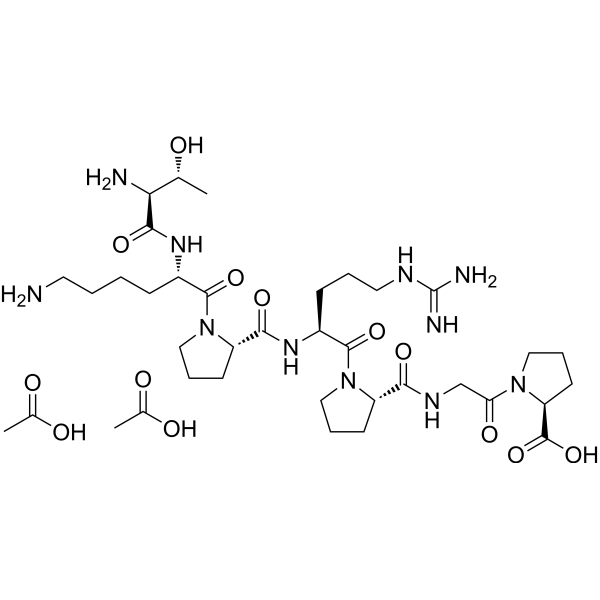 0 ImagesCat. No.: HY-105042APurity: 99.37%Synonyms: Selanc diacetate; TP-7 diacetateSelank diacetate (Selanc diacetate; TP-7 diacetate) is a GABAA receptor modulator with anxiolytic activity. Selank diacetate allosterically modulates the specific binding of GABA to GABAA receptors and alters the affinity of endogenous ligands for these receptors. Selank diacetate reduces elevated anxiety levels, attenuates stress-induced exacerbation of anxiety, and produces a synergistic anxiolytic effect with diazepam. Selank diacetate can be used in the research of anxiety disorders.
-
γ-Aminobutyric acid-13C4
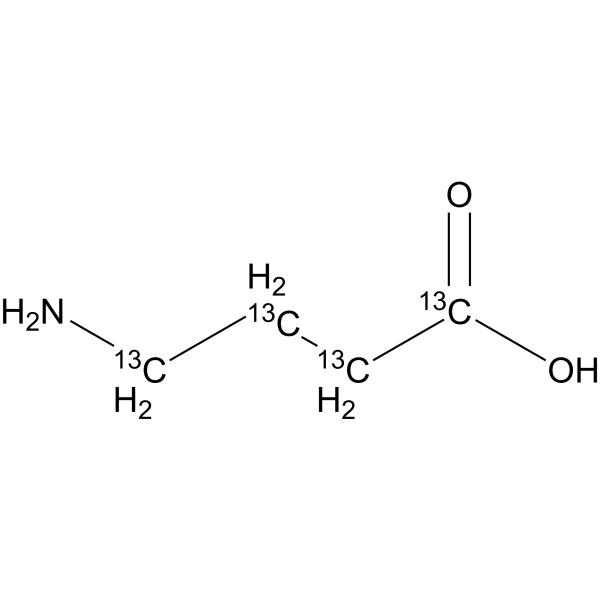 0 ImagesCat. No.: HY-N0067S3Purity: 99.95%Synonyms: 4-Aminobutyric acid-13C4γ-Aminobutyric acid-13C4 is the 13C-labeled γ-Aminobutyric acid. γ-Aminobutyric acid (4-Aminobutyric acid) is a major inhibitory neurotransmitter in the adult mammalian brain, binding to the ionotropic GABA receptors (GABAA receptors) and metabotropic receptors (GABAB receptors).
-
3,4,5-Trimethoxycinnamic acid
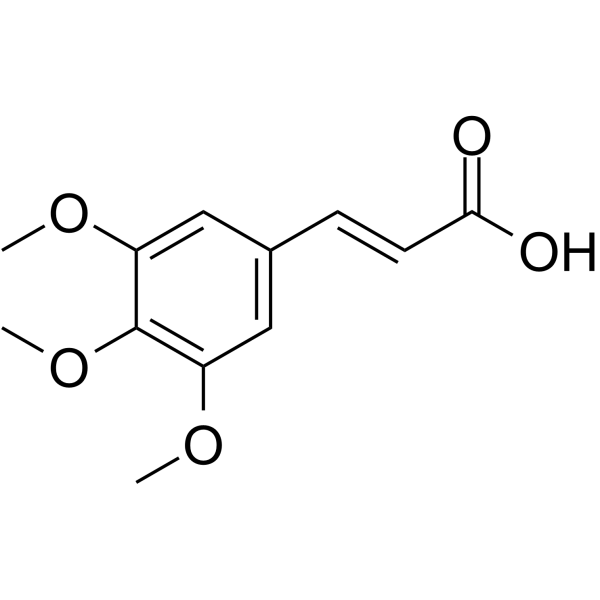 0 Images3,4,5-Trimethoxycinnamic acid is a phenylpropanoid isolated from the roots of Polygala tenuifolia WILLD, with anti-stress effect, prolonging the sleeping time in animals. 3,4,5-Trimethoxycinnamic acid increases expression of GAD65 and γ-subunit of GABAA receptor, but shows no effect on the amounts of α-, β-subunits.
-
Lesogaberan hydrochloride
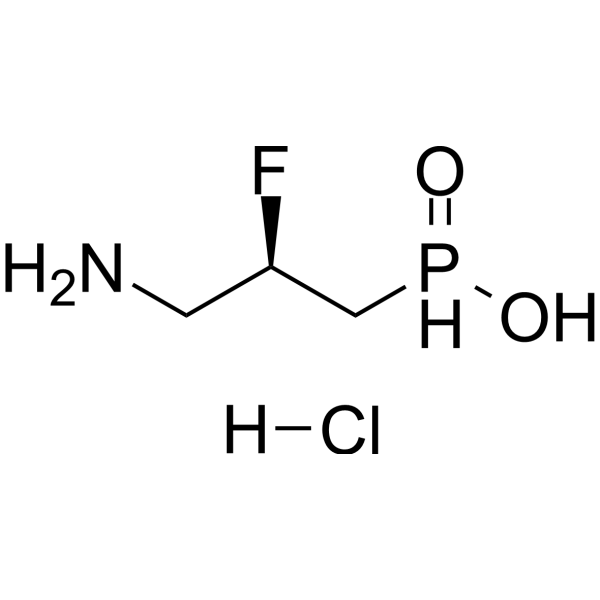 0 ImagesSynonyms: AZD-3355 hydrochlorideLesogaberan (AZD-3355) hydrochloride is a potent and selective GABAB receptor agonist with an EC50 of 8.6 nM for human recombinant GABAB receptor. The affinity (Kis) of Lesogaberan hydrochloride for rat GABAB and GABAA receptors, as measured by displacement of [3H]GABA binding in brain membranes: 5.1 nM and 1.4 μM, respectively. Lesogaberan hydrochloride inhibits transient lower esophageal sphincter relaxation through a peripheral mode of action.
-
Methionine-d3
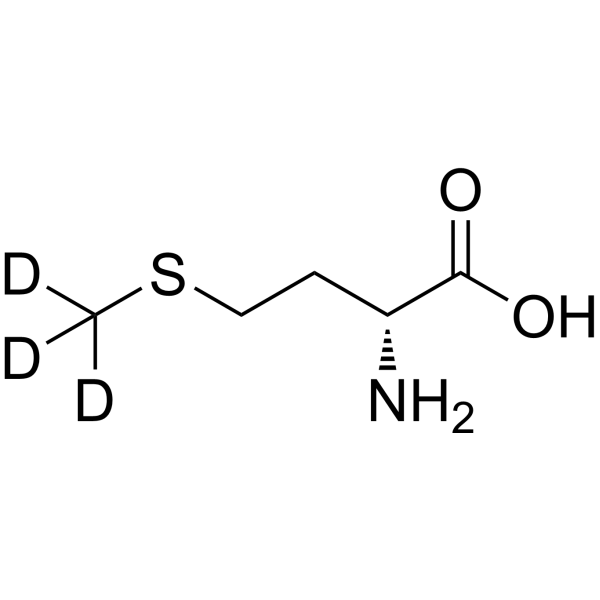 0 ImagesSynonyms: MRX-1024-d3; D-Methionine-d3Methionine-d3 is the deuterium labeled Methionine. Methionine (MRX-1024; D-Methionine) is an effective chemoprotective agent which can also inhibit the neuronal activity through GABAA receptor activation.
-
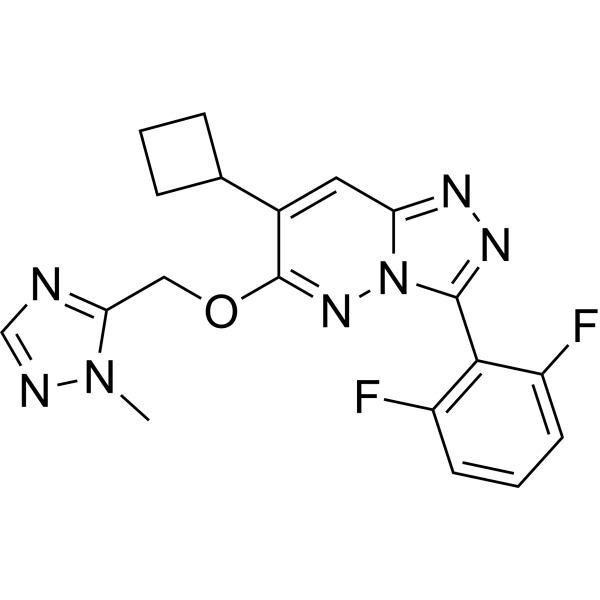
Alogabat
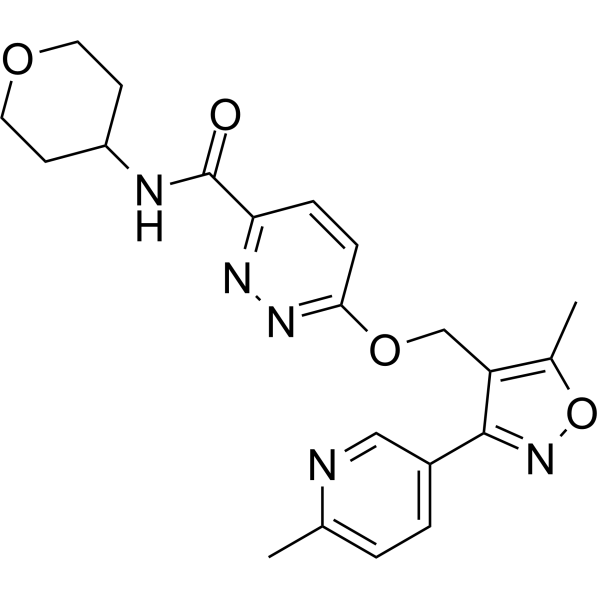 0 ImagesSynonyms: RG-7816; RO-7017773Alogabat is a positive allosteric modulator (PAM) and agonist (Ki <100 nM) of the GABAA α5 receptor, targeting the α5β3γ2 subunit with a Ki of 8.7 nM. Alogabat increases the expression level of α5β3γ2 in oocytes (1.97-fold). GABAA has been implicated in cognitive impairment associated with central nervous system (CNS) disorders, brain cancer (including brain tumors such as medulloblastoma), and can be used in the study of mild cognitive impairment (MCI), amnestic MCI (aMCI), age-associated memory impairment (AAMI), age-related cognitive decline (ARCD), dementia, Alzheimer's disease (AD), prodromal AD, post-traumatic stress disorder (PTSD), schizophrenia, bipolar disorder, amyotrophic lateral sclerosis (ALS), cognitive impairment associated with cancer treatment, mental retardation, Parkinson's disease (PD), autism spectrum disorder, fragile X, Rett syndrome, obsessive-compulsive behavior, and substance addiction.
-
Picrotin
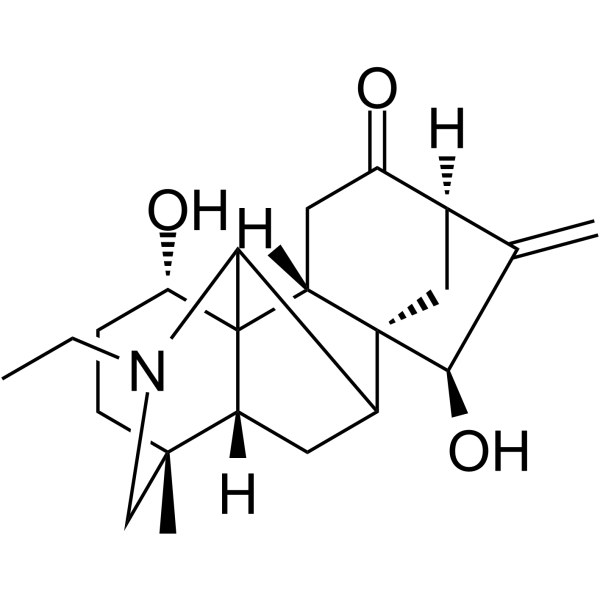
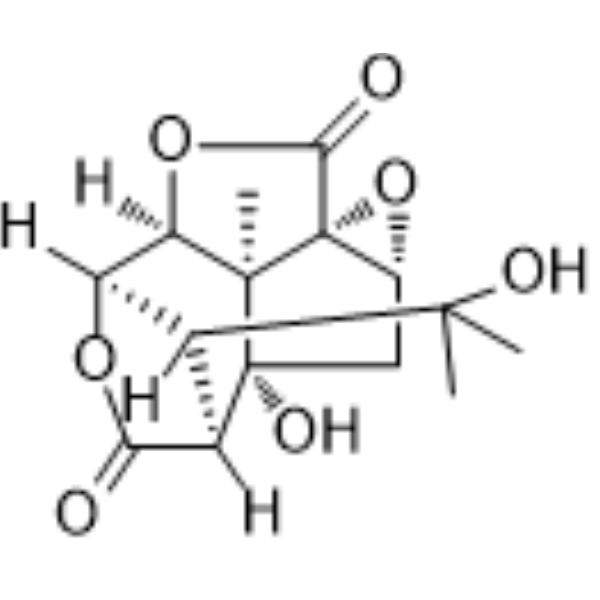 0 ImagesPicrotin is an active compound, also is one of the composition of picrotoxin (an antagonist of GABAA receptors (GABAARs) and glycine receptors (GlyRs)). Picrotin has sensitivity for GlyRs with IC50 values range from 5.2 μM to 106 μM. Picrotin can be used for the research of neurotransmission.
-
6-Hydroxyflavone
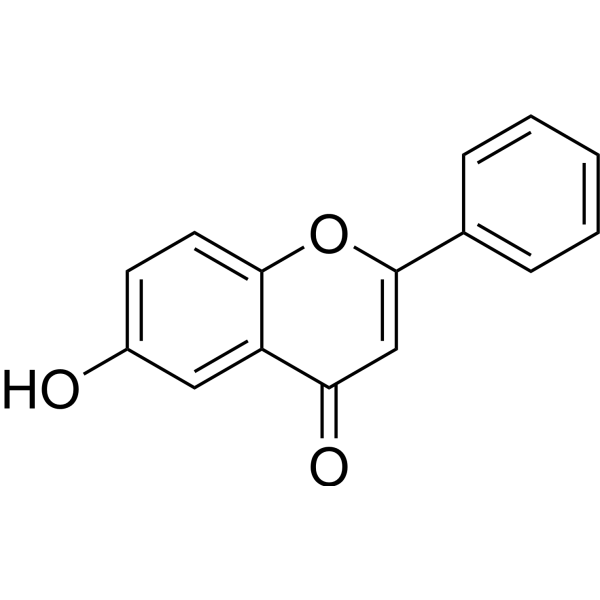 0 Images6-Hydroxyflavone is an orally effective flavonoid compound. 6-Hydroxyflavone can inhibit LPS (HY-D1056) -induced NO production and has anti-inflammatory effects. 6-Hydroxyflavone promotes osteoblast differentiation by activating AKT, ERK 1/2 and JNK signaling pathways. 6-Hydroxyflavone has an inhibitory effect on bovine hemoglobin (BHb) glycosylation. 6-Hydroxyflavone has a kidney protective effect. In addition, 6-Hydroxyflavone enhances GABA-induced current through the Benzodiazepine sites of γ-aminobutyric acid (GABAA) receptors. 6-Hydroxyflavone shows a clear preference for α2 - and α3 - subtypes, which play an anti-anxiety role.
-
DL-Pyroglutamic acid-d5
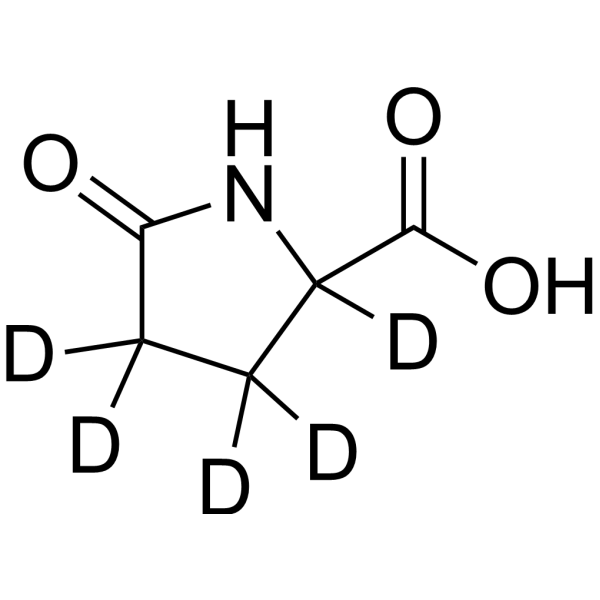 0 ImagesDL-Pyroglutamic acid-d5 is the deuterium labeled DL-Pyroglutamic acid.